
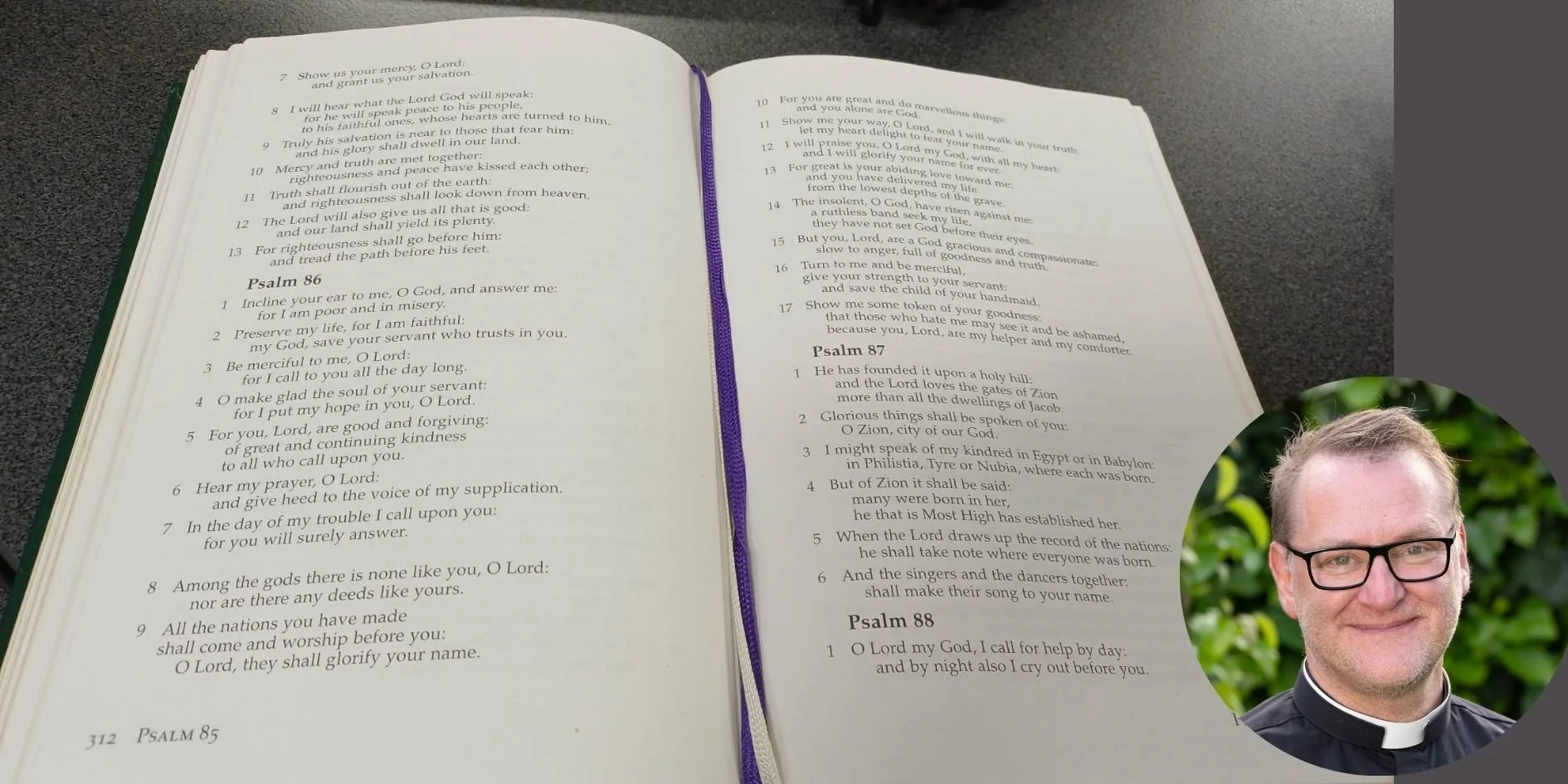
The Psalms have been sung, prayed, and debated for thousands of years, but how should they be translated for worship today? Join Hebrew scholar and Anglican priest Dr Matthew Anstey as he shares his new translations of these ancient biblical texts and explains the choices behind them. Discover how theology, music, scholarship, and culture shape the words Christians pray and sing, and why translation is about much more than simply finding the right words.
Matthew will be focusing on Psalms 126, 87, 123, and 51, for those who would like to reflect on them beforehand.
About Matthew
After completing his doctoral studies in Biblical Hebrew linguistics in 2005, Matthew was awarded an Australian Research Council Postdoctoral Fellowship at Charles Sturt University (2006-2009), and he has been on the ARC College of Assessors since then. He then moved to Adelaide with his family to become Principal of St Barnabas Theological College (2010-2017). Since September 2022, Matthew has been parish priest at St Theodore’s Anglican Church, Toorak Gardens, South Australia.
Matthew was on the Doctrine Commission for the Anglican Church of Australia from 2014 to 2022. Matthew is an honorary research fellow at Charles Sturt Universityand lecturer in the University of Divinity. He founded and co-chaired the Biblical Hebrew Language and Linguistics Unit, Society of Biblical Literature (International), and is a member of the Society of Biblical Literature and the National Association of Professors of Hebrew (USA). He is also a trustee of the Australian Research Theological Foundation Incorporated (ARTFinc), and on the of the National Comprehensive Anglicanism Network. Matthew’s current scholarly work is on the Psalms – he is preparing a new translation of the Psalms for public worship, with an accompanying commentary. This combines his love of Biblical Hebrew, liturgy, poetry, theology, and music.
You can read more at www.matthewanstey.com.
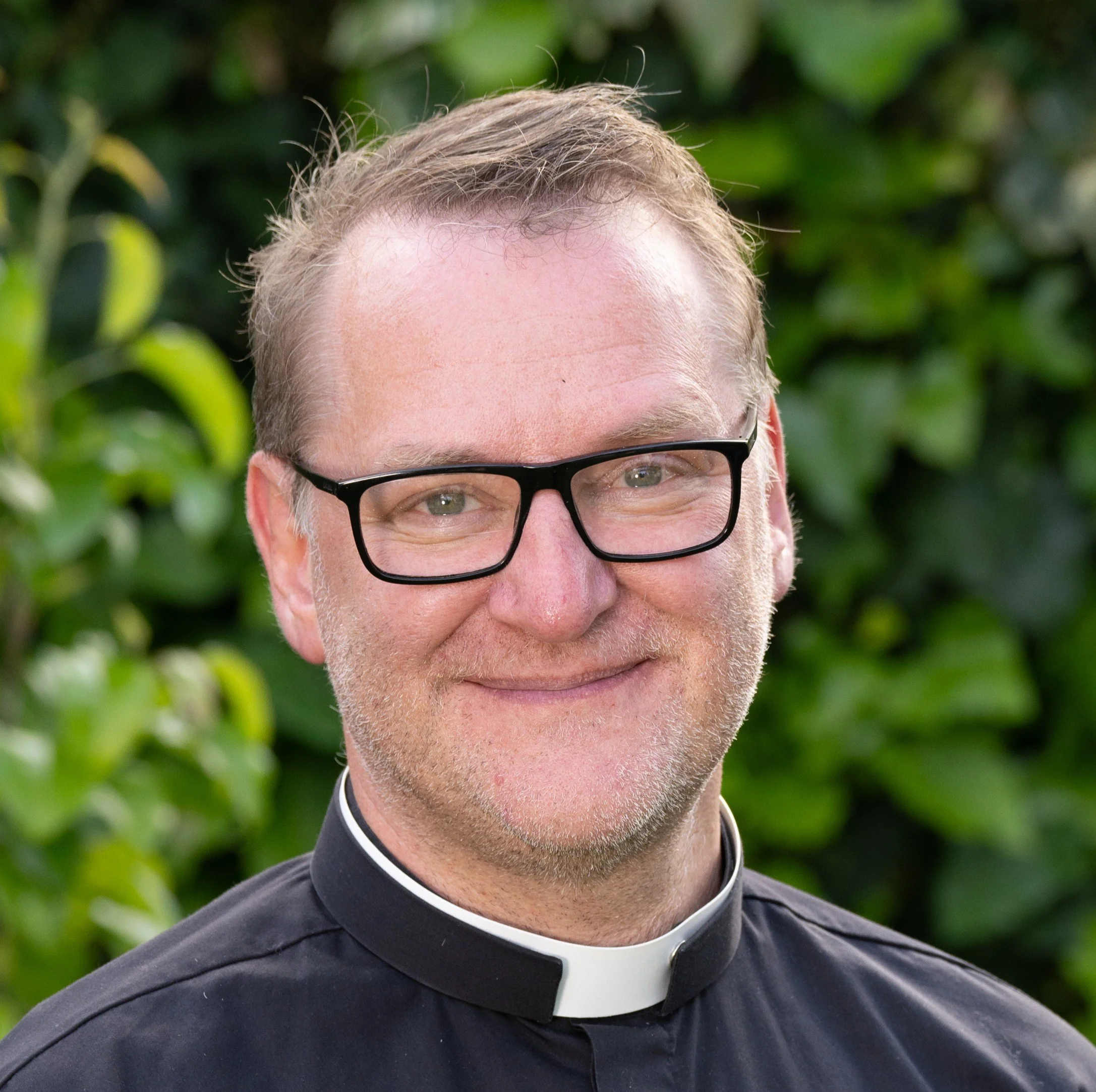
Rev'd Assoc Prof Anstey
Hebrew scholar and Anglican priest, Matthew Anstey is translating the Psalter for liturgical use in Australian churches and beyond. In this public lecture, Dr Anstey will share his translation of several psalms showing how his translations differ from the versions found in A Prayer Book for Australia (1995), identifying the interaction of theological, musical, scholarly, and cultural concerns in this important work.